AROUND THE ABPsi
The ABPsi 57th Annual International Convention Experience in Video
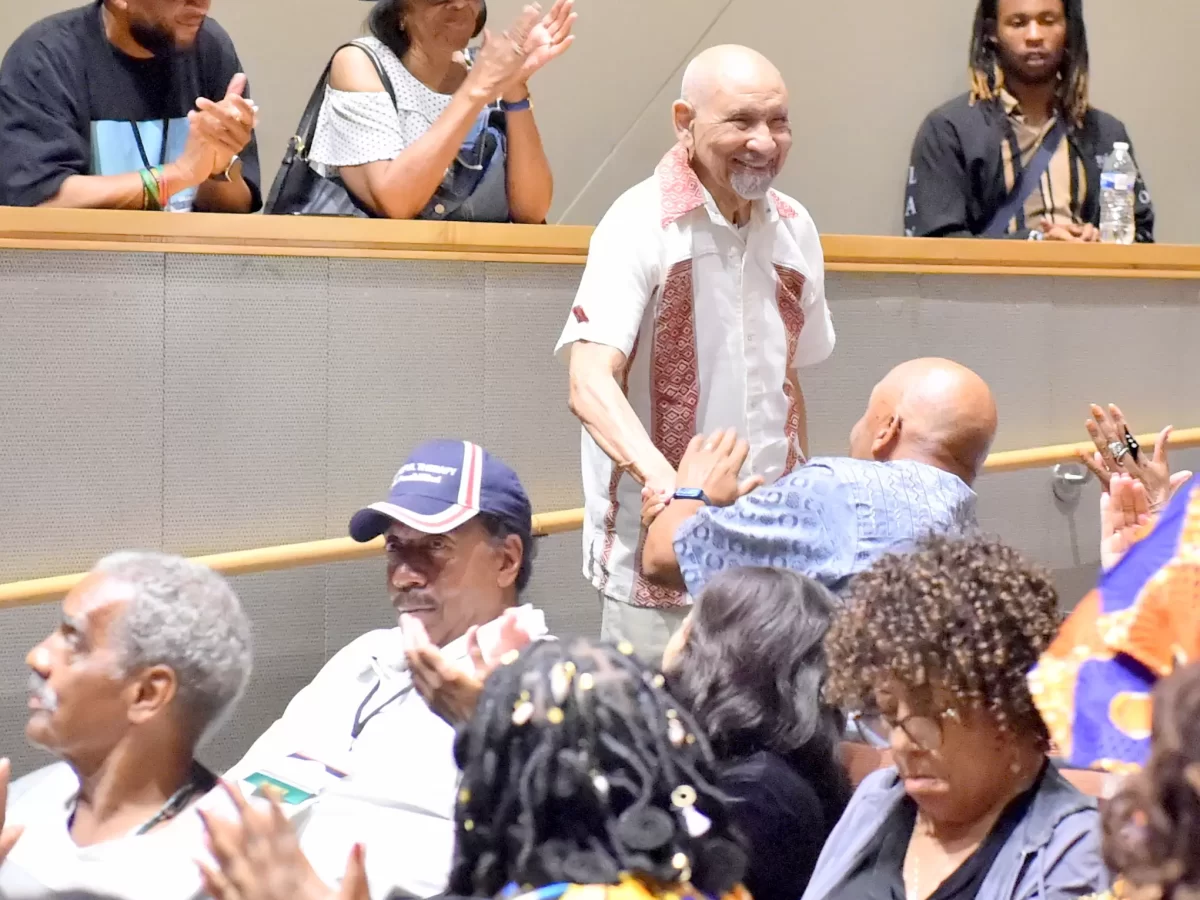
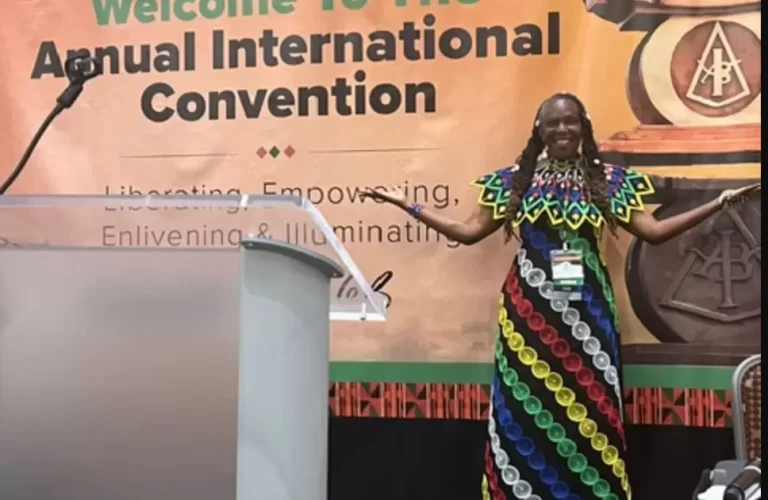
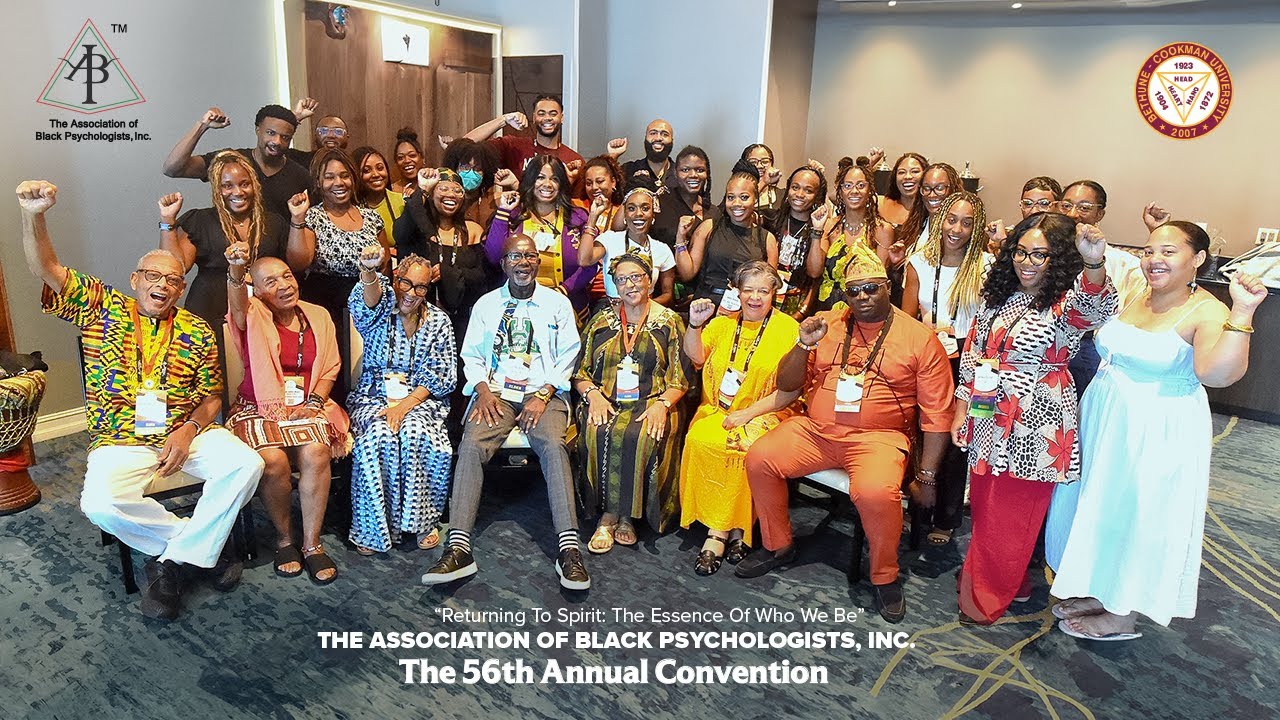
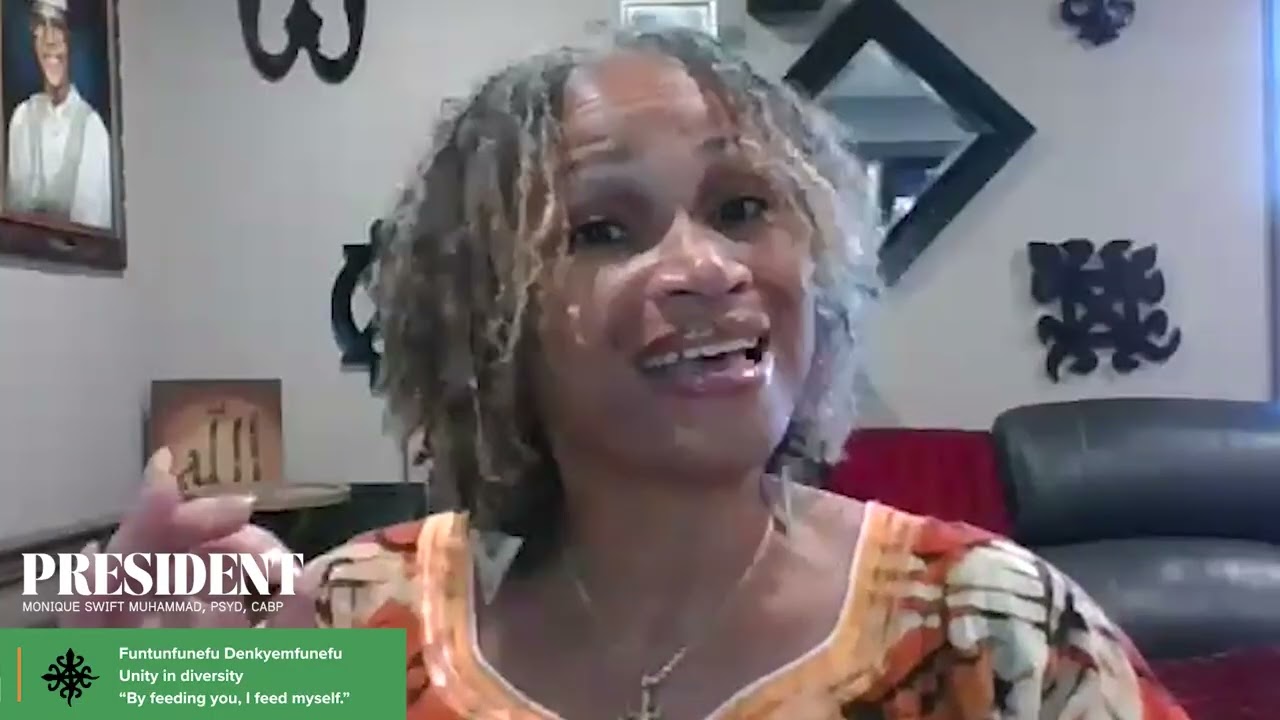
The Association of Black Psychologists, Inc. (ABPsi) invited us to the 57th Annual International Convention in Baltimore, Maryland, at Morgan State University. This year’s theme, “The Illumination: Freeing the African Spirit,” promised to be a transformative experience in African/Black Psychology—providing space for intellectual exchange, cultural celebration, spiritual renewal, and professional […]
Pressure
An Ubuntu Power Base
The South African Zulu philosophy of Ubuntu emphasizes collective thoughts and actions. Ubuntu happens when “I am, because we are” is transformed from a phrase into a therapeutic way of living. When we consider recent tragedies in Virginia and Louisiana, alongside the health disparities impacting Black/African people, the call for […]
Research Corner
Strong but Sinking: The Hidden Toll of Family Strain, Incarceration, and Suicide Among Black Men in the African Diaspora
Strong but Sinking: The Hidden Toll of Family Strain, Incarceration, and Suicide Among Black Men in the African Diaspora by Abasi Key, M.A. and Felicia Swafford, Ph.D. Photo by Asso Myron on Unsplash For the Black/Afrikan diaspora community, this conversation is both urgent and deeply necessary. For too long, suicide […]
RECENT POSTS
Remembering and Reforming 9/11
On September 10th, my son asked, “Is anyone afraid that we are flying to New York tomorrow?” My wife and I looked at each other. “No, we’ll be fine,” replied my wife. The next day we boarded the flight to New York. While some of the cabin’s passengers slept, […]
Beyond the Mask: The Inner Self (IS) and the BE Mindful Mind
Dr. Frantz Fanon’s Black Skin, White Masks remains one of the most influential examinations of the psychological consequences of racism, colonialism, and imposed identity. When Fanon first published the book in 1952, he explored how repeated exposure to a social environment that associates whiteness with intelligence, beauty, civilization, acceptance, and […]
Beyond Silence: African Approaches to Suicide Prevention and Healing
World Suicide Prevention Day, September 10 “Be strong.” “Keep going.” “Do not let people see you break.” These words can sound like care to many black people. These words can also mean that, whatever hurts, hold it. For people who have endured enslavement across generations, colonization, racism, and exclusion, there […]
When Black Clinicians Burn Out, Black Communities Pay the Price
Self-care is also not limited to therapy, meditation, or calling EAP. Sometimes self-care is having a Saturday night available to take your spouse out. It is being able to take a Friday afternoon off for a dental appointment. It is having enough flexibility to get your oil changed, pick up a sick child, or manage your life without fearing that you will be written up.
The Transformation of Transgenerational Pain into Transgenerational Joy
Human beings inherit more than names, property, and physical characteristics. We also inherit stories, images, expectations, coping patterns, beliefs, and ways of understanding ourselves. Some of these inheritances strengthen us; others wound us. BE Mindful Therapy® (BE-MT) is the psychotherapy text that establishes the framework for understanding Transgenerational Pain (TP) […]
Breaking Invisible Chains: Financial Trauma, Mental Health, and the Liberation of the African Spirit
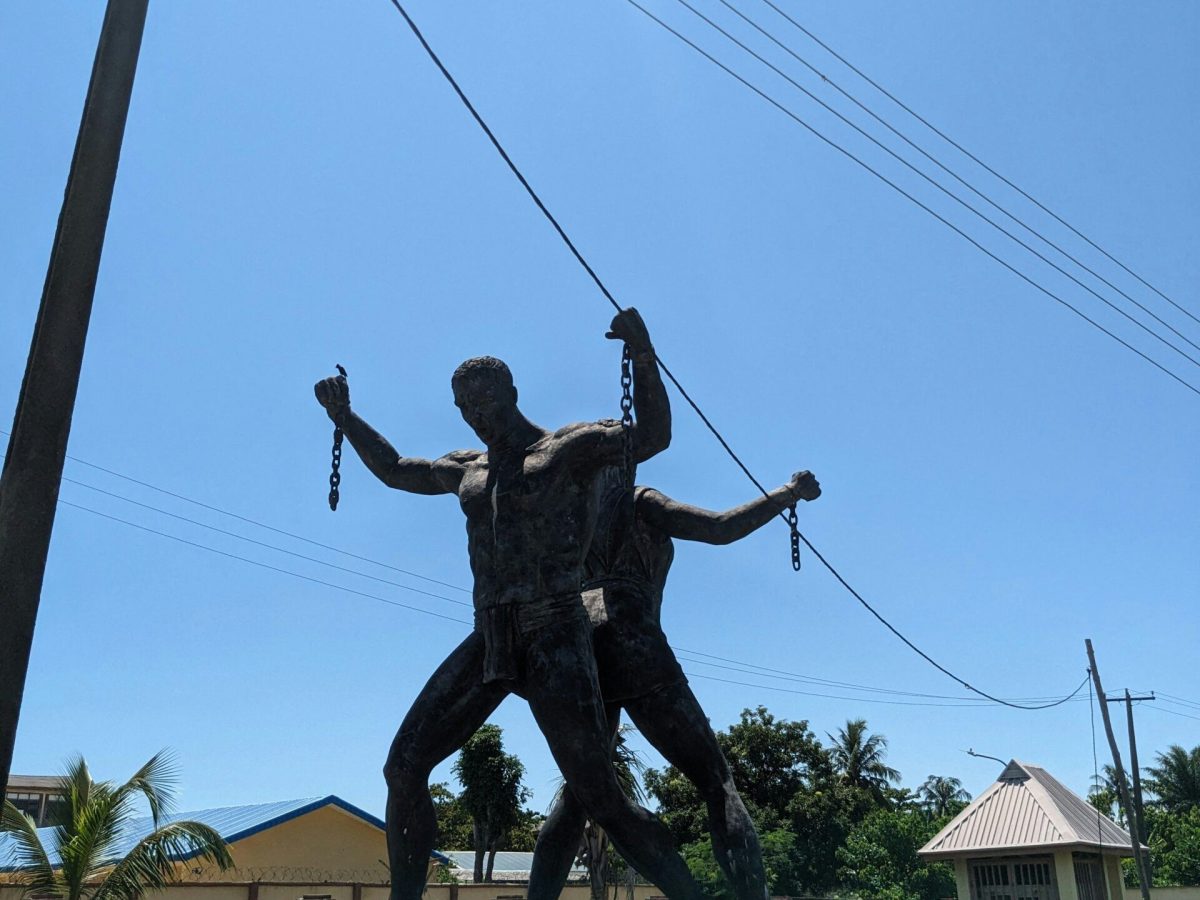
THE CHAINS WE CANNOT SEE Our ancestors endured chains that could be seen. Today, some of the chains affecting Black families are harder to see. Financial stress. Economic fear. Shame. Survival thinking. Intergenerational scarcity. These invisible chains may not leave marks on our wrists, but they can leave marks on […]
When Survival Looks Like Smiling: Black Women, Autism, and the Cost of Layered Masking
There are many ways to disappear without ever leaving the room. Sometimes it looks like smiling when your nervous system is overwhelmed. Sometimes it looks like rehearsing every conversation before it happens or replaying every interaction after it ends. It can sound like saying, “I’m fine,” because explaining what is […]


Join The Conversation